Banking and Credit: The Complete Guide to Building Financial Success
Whether you’re opening your first bank account, applying for a credit card, or planning to buy a home, understanding banking and credit is essential. These two financial systems affect nearly every aspect of modern life—from receiving paychecks to qualifying for loans and securing lower interest rates.
Unfortunately, many people learn about banking and credit through costly mistakes. Understanding the fundamentals can help you save money, avoid debt traps, and build long-term wealth.
This guide explains how banking and credit work, why they matter, and how you can use them effectively to improve your financial future.
What Is Banking?
Banking refers to the financial services provided by institutions that help individuals and businesses manage money safely and efficiently.
Banks serve several important functions:
- Holding deposits
- Processing payments
- Offering loans
- Providing savings products
- Facilitating investments
- Supporting financial transactions
Without banks, individuals would need to store cash themselves and have limited access to borrowing opportunities.
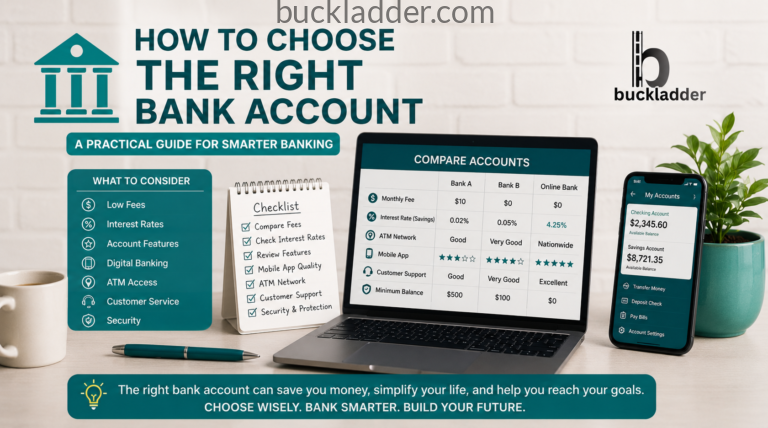
Types of Bank Accounts
1. Checking Accounts
A checking account is designed for everyday transactions.
Common features include:
- Debit card access
- Direct deposit
- Bill payments
- ATM withdrawals
- Online banking
Checking accounts typically offer little or no interest but provide maximum accessibility.
Best For
- Paying bills
- Everyday spending
- Receiving income
2. Savings Accounts
Savings accounts are intended for storing money while earning interest.
Benefits include:
- Secure savings growth
- Emergency fund storage
- Easy transfers to checking accounts
Best For
- Emergency funds
- Short-term financial goals
- Building savings habits
3. Money Market Accounts
Money market accounts often combine savings account features with higher interest rates.
Advantages include:
- Competitive yields
- Limited check-writing capabilities
- FDIC insurance (at participating banks)
4. Certificates of Deposit (CDs)
CDs require funds to remain deposited for a specified period.
Benefits include:
- Fixed interest rates
- Predictable returns
- Low risk
Drawback:
- Early withdrawal penalties
How Credit Works
Credit allows you to borrow money today and repay it later.
When lenders extend credit, they evaluate your likelihood of repayment based on your credit history.
Common forms of credit include:
- Credit cards
- Auto loans
- Student loans
- Mortgages
- Personal loans
The stronger your credit profile, the more favorable borrowing terms you typically receive.
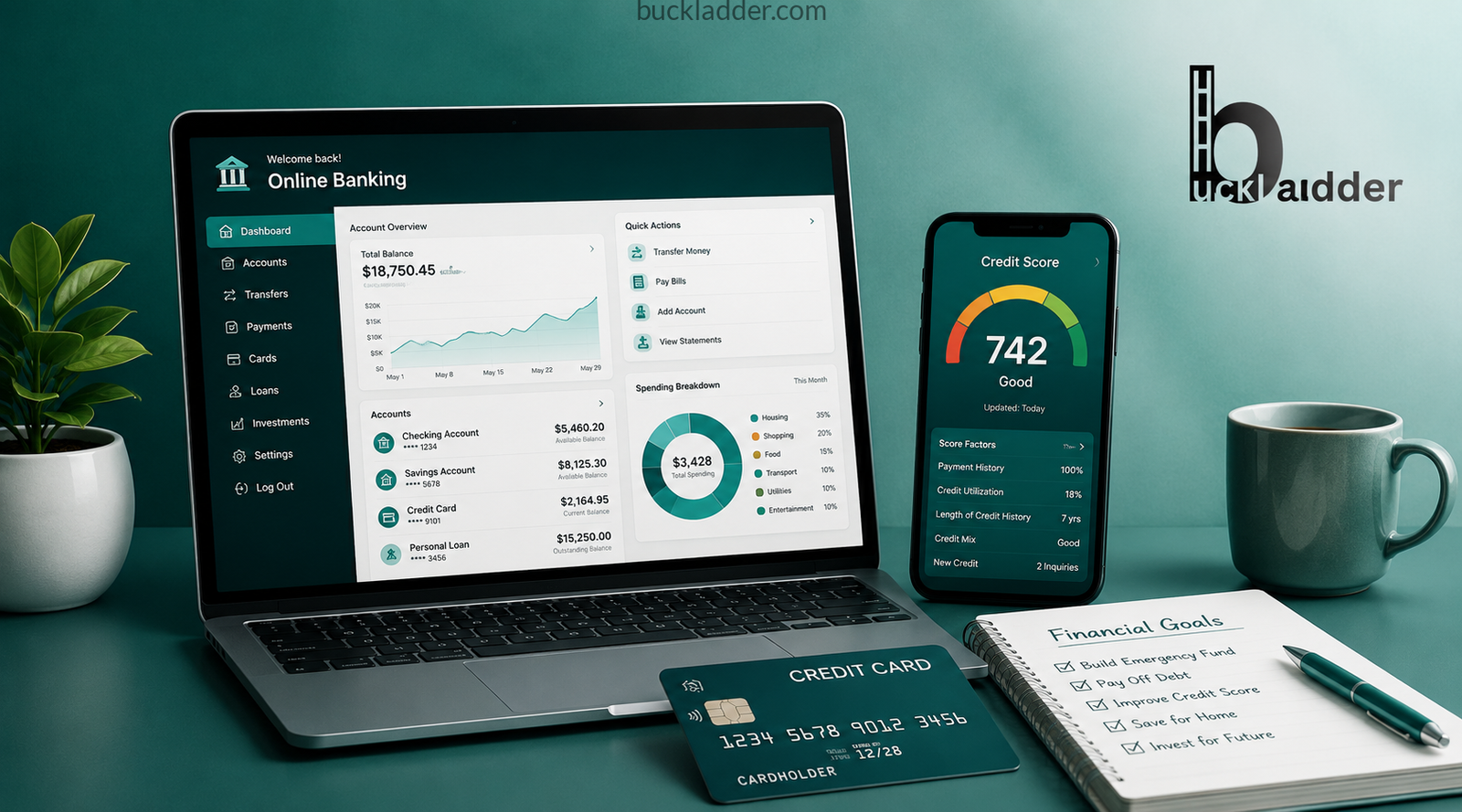
Understanding Credit Scores
A credit score is a numerical representation of your creditworthiness.
Most scores range from:
- 300–579: Poor
- 580–669: Fair
- 670–739: Good
- 740–799: Very Good
- 800–850: Excellent
Higher scores generally result in:
- Lower interest rates
- Better loan approvals
- Higher credit limits
- Better rental opportunities
- Lower insurance costs in some states
Factors That Affect Your Credit Score
Payment History (35%)
This is typically the most important factor.
Lenders want to see:
- On-time payments
- Consistent repayment behavior
- No recent delinquencies
One missed payment can significantly impact your score.
Credit Utilization (30%)
Credit utilization measures how much available credit you’re using.
Example:
- Credit limit: $10,000
- Balance: $2,000
- Utilization: 20%
Financial experts often recommend keeping utilization below 30%, with under 10% being ideal.
Length of Credit History (15%)
Older accounts demonstrate stability.
Closing long-standing accounts can sometimes negatively impact your credit profile.
Credit Mix (10%)
Lenders like to see responsible management of different credit types, including:
- Revolving credit (credit cards)
- Installment loans (auto loans, mortgages)
New Credit Inquiries (10%)
Applying for multiple credit accounts in a short period may temporarily lower your score.
Only apply for credit when necessary.
Why Good Credit Matters
Strong credit creates financial opportunities.
Home Ownership
Mortgage lenders heavily rely on credit scores.
A higher score can save tens of thousands of dollars in interest over a loan’s lifetime.
Car Loans
Good credit often qualifies borrowers for lower financing rates.
Employment Opportunities
Some employers review credit reports during hiring processes, especially for financial positions.
Renting an Apartment
Many landlords use credit reports to evaluate potential tenants.
Timeline: Building Strong Credit from Scratch
Month 1
- Open a checking account
- Open a savings account
- Apply for a secured credit card if necessary
Months 2–6
- Use credit responsibly
- Pay balances on time
- Keep utilization low
Months 6–12
- Build payment history
- Monitor credit reports
- Increase savings
Year 1–2
- Consider an unsecured credit card
- Diversify credit cautiously
- Maintain perfect payment history
Year 3+
- Continue responsible usage
- Avoid unnecessary debt
- Pursue larger financial goals
Common Banking Mistakes
Overdrafting Accounts
Overdraft fees can quickly add up.
Avoid this by:
- Monitoring balances
- Setting alerts
- Maintaining a cash buffer
Ignoring Account Fees
Many consumers lose money through:
- Monthly maintenance fees
- ATM fees
- Minimum balance penalties
Always review account terms carefully.
Keeping Too Much Cash Idle
Inflation erodes purchasing power over time.
Maintain emergency savings but consider long-term investments for excess funds.
Common Credit Mistakes
Missing Payments
Even one late payment can damage your credit score.
Set up:
- Automatic payments
- Payment reminders
- Calendar alerts
Maxing Out Credit Cards
High balances increase utilization ratios and may lower scores.
Applying for Too Many Cards
Each application may trigger a hard inquiry, temporarily affecting credit.
Carrying Unnecessary Debt
Credit cards should be financial tools, not sources of long-term debt.
Real-World Example
Consider two borrowers seeking a $300,000 mortgage.
Borrower A
- Credit Score: 780
- Interest Rate: 6%
Borrower B
- Credit Score: 620
- Interest Rate: 7.5%
Over a 30-year mortgage, Borrower B could pay tens of thousands more in interest simply because of a lower credit score.
This demonstrates how credit impacts real financial outcomes.
Day in the Life: Managing Banking and Credit Successfully
A financially responsible individual typically:
- Reviews account balances weekly
- Pays bills automatically
- Monitors credit reports regularly
- Saves a portion of every paycheck
- Uses credit cards strategically
- Avoids unnecessary debt
These habits often take less than 30 minutes per week but can significantly improve long-term financial health.
Banking vs. Credit: What’s the Difference?
| Banking | Credit |
|---|---|
| Manages deposited money | Allows borrowing money |
| Includes checking and savings accounts | Includes loans and credit cards |
| Focuses on cash management | Focuses on repayment behavior |
| Helps protect funds | Helps build financial reputation |
Both systems work together to support financial stability.
Is Building Good Credit Worth It?
Score: 10/10
Benefits include:
✅ Lower borrowing costs
✅ Greater financial flexibility
✅ Easier loan approvals
✅ Better housing opportunities
✅ Improved financial security
The effort required to build good credit is relatively small compared to the long-term benefits it provides.
Future Outlook for Banking and Credit
The banking industry continues evolving through:
- Digital banking
- Mobile payments
- Artificial intelligence
- Online lending platforms
- Enhanced fraud protection
Consumers increasingly expect faster, more convenient financial services while maintaining strong security.
Financial literacy will remain one of the most valuable skills as financial products become more sophisticated.
Key Takeaways
- Banking provides secure money management tools.
- Credit allows borrowing and influences financial opportunities.
- Payment history and credit utilization are major credit score factors.
- Good credit can save significant money through lower interest rates.
- Responsible banking and credit habits support long-term wealth building.
- Financial success often comes from consistent small decisions rather than dramatic actions.
Understanding banking and credit is not just about managing money—it’s about creating opportunities, reducing financial stress, and building a stronger future.